
Women and the Church
Transparency | Accountability | Justice
Let’s say no to a Bishop of London who does not ordain women
The Diocese of London is soon to appoint a new bishop. It has just issued a Statement of Needs, setting out what sort of bishop is required. It does not specify that the new bishop must be in favour of women's ordination.
We are concerned by this omission. We do not want a bishop who does not ordain women as priests or recognise the spiritual authority of female bishops – including the Archbishop of Canterbury! Such a bishop would be a sign of division rather than unity. We would not accept his authority.
We also call for a change in the Church’s rules, so as to preclude the possibility of such an appointment. We seek the amendment of the 2014 Declaration and the Five Guiding Principles to ensure that no opponent of women’s ordination is ever again appointed to a diocese. It is too glaringly contrary to episcopal order and Church unity, that a diocesan bishop can oversee clergy whose authority he denies. We demand a vote in Synod on the issue.
PLEASE SIGN THE PETITION BELOW AND SHARE WITH OTHERS
Here are the main reasons for our concern:
1.
Such an appointment would undermine the authority of female clergy in the diocese, implying their orders are deficient. Churchgoers would be expected to receive the sacraments from female clergy, knowing that the diocesan bishop is so uncertain of their validity that he would not receive them himself. This would erode trust and confidence, both for clergy and churchgoers, across a diocese in which women hold leadership roles.
2.
Women may be less likely to apply for ordained and lay roles in a diocese where the diocesan bishop does not personally believe they should be priests or be ministering in certain leadership roles. In evidence of this, there are low levels of female incumbents in other dioceses where the diocesan bishop does not ordain women, such as Chichester and Blackburn.
3.
The Bishop of London automatically has a seat in the House of Lords: it would not be approriate for the national Church to be represented in this way by a man who does not believe in equality for women, particularly as our UK Parliament is committed to avoiding and challenging discrimination on grounds of sex.
4.
Two reports of the Church of England's Independent Reviewers have recommended work needs to be done before the appointment of another diocesan bishop who does not fully accept women’s ministry. Sir Philip Mawer's 2017 Review on the See of Sheffield recommended that work should be done on the fundamental pastoral and theological challenges that appointing a diocesan bishop who does not ordain women would pose for the ministry of female clergy, lay ministers and therefore congregations in that diocese. The House of Bishops accepted this recommendation. Canon Maggie Swinson noted in her 2024 Independent Reviewer's report that the Church had still not done the work that Sir Philip requested. It has set up a ‘Standing Commission’ that has produced a statement about supporting women clergy via Diocesan Advisers on Women’s Ministry (DAWMs) but these DAWMs are not allowed to question the status quo and so important areas of concern are still not being addressed.
5.
Over the last 12 years, the terms of the 2014 Declaration, endorsed in good faith by the UK Parliament, have not been followed within the Church by those opposing equality in ministry for women. These people represent about 5% of the Church nationally. For example, PCC Resolutions excluding women have not been regularly reviewed; congregations and parishes have not been consulted, and often not even informed about their churches’ limits on women’s roles; women's discernment of vocations have not been supported in Resolution parishes; and there has been a lack of transparency bordering on secrecy about the arrangements. On the other side, those wanting equality for women in the Church, who make up about 95% of the Church, seem without exception to have abided by the terms of the Declaration.
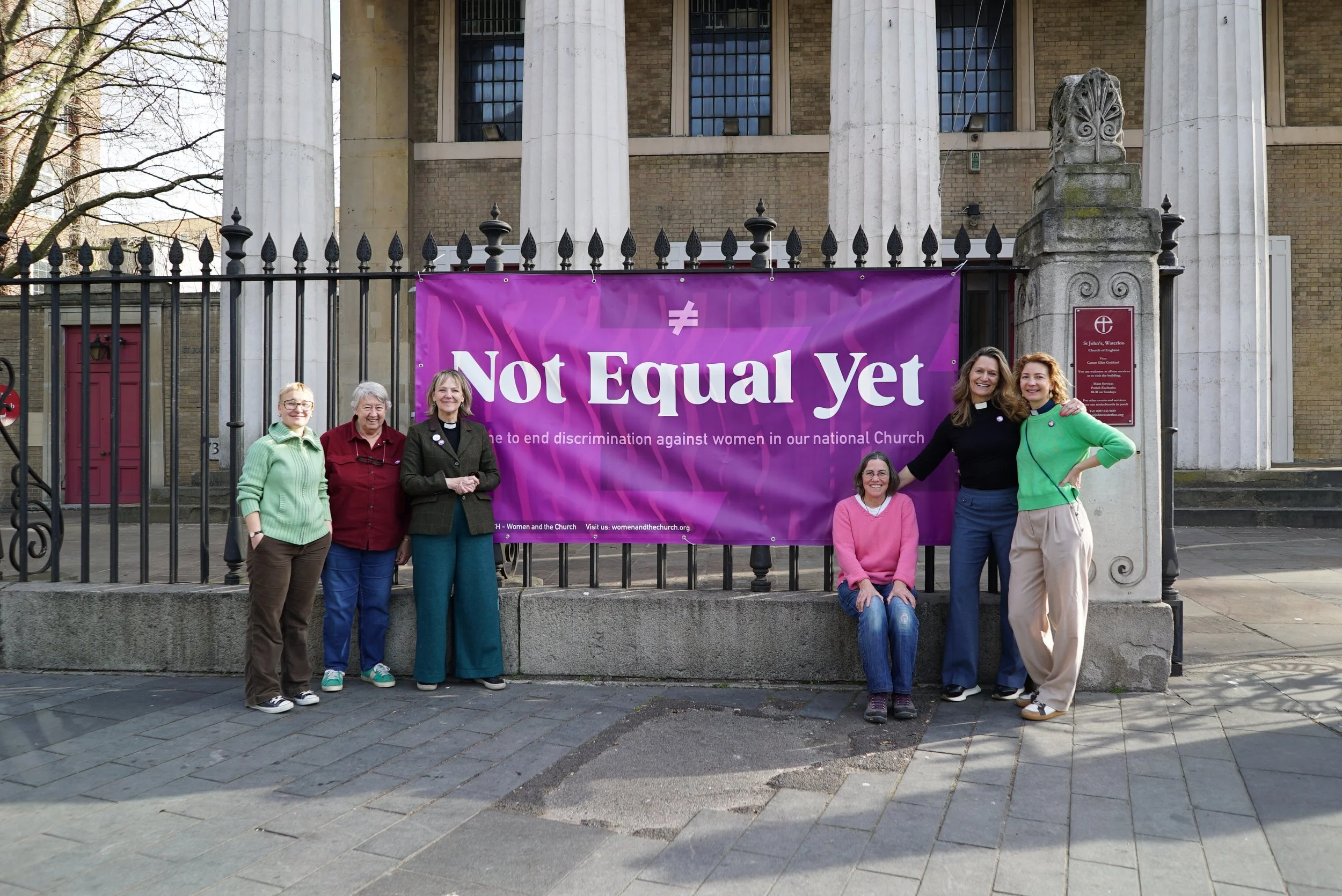
WATCH are campaigning for the simple principle that women and men should be treated equally in the Church of England, our national church.
Did you know that our national Church discriminates against women, limiting female leadership at every level of the organisation?
Churches can
say ‘no’ to female priests applying to be their vicars;
say ‘no’ to female priests blessing the bread and wine in services;
have a special male bishop if their bishop is female or is a man who has ordained women as priests.
There is no requirement for churches to be transparent about these things, so often people attend churches, and support them financially for many years, without knowing that they are churches that discriminate against women.
Many large inner-city churches, such as All Souls, Langham Place and St Helen’s Church, Bishopsgate in London, Christ Church in Cambridge, and St Ebbe’s in Oxford, do not allow a woman to be their vicar.
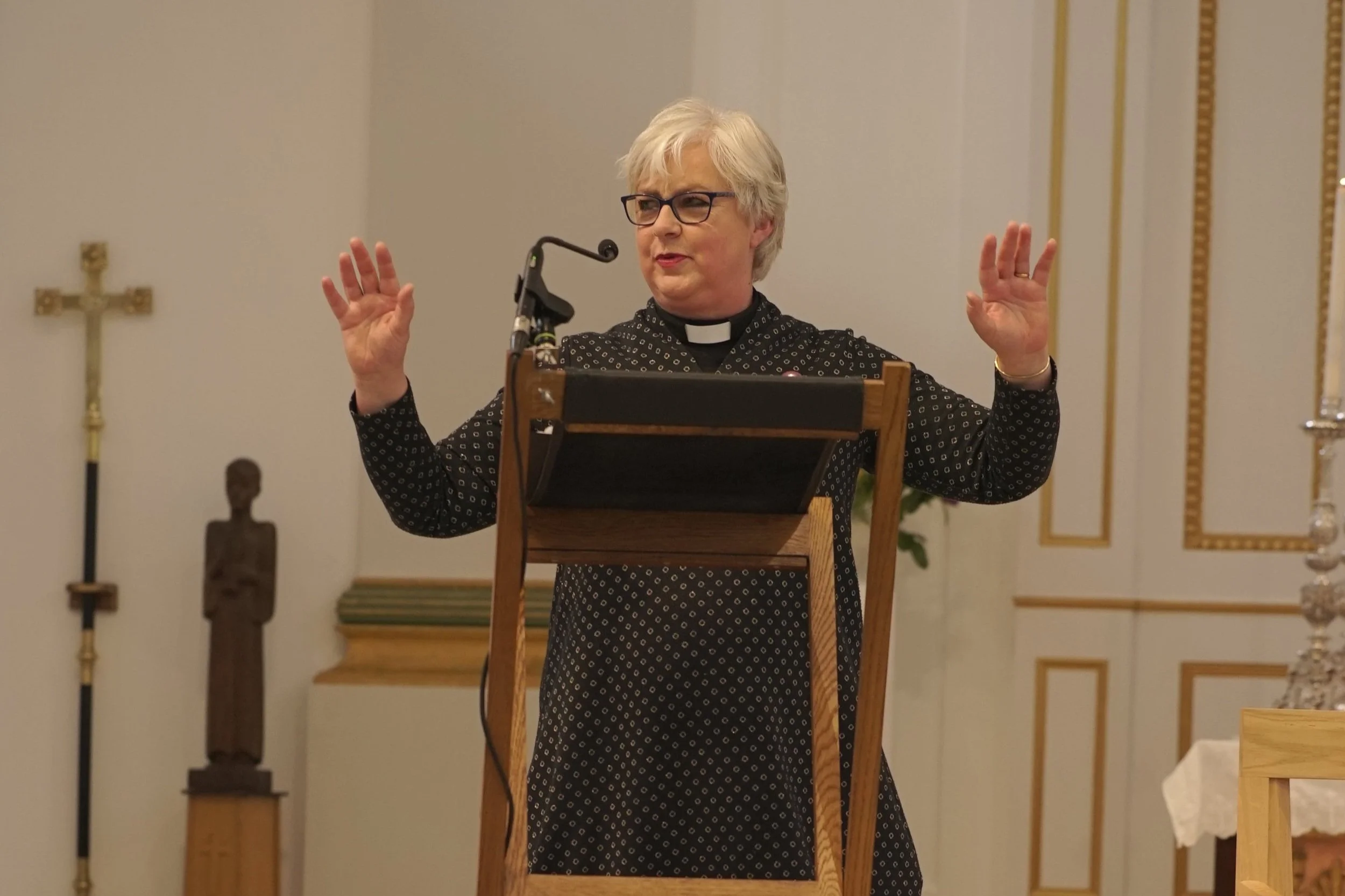
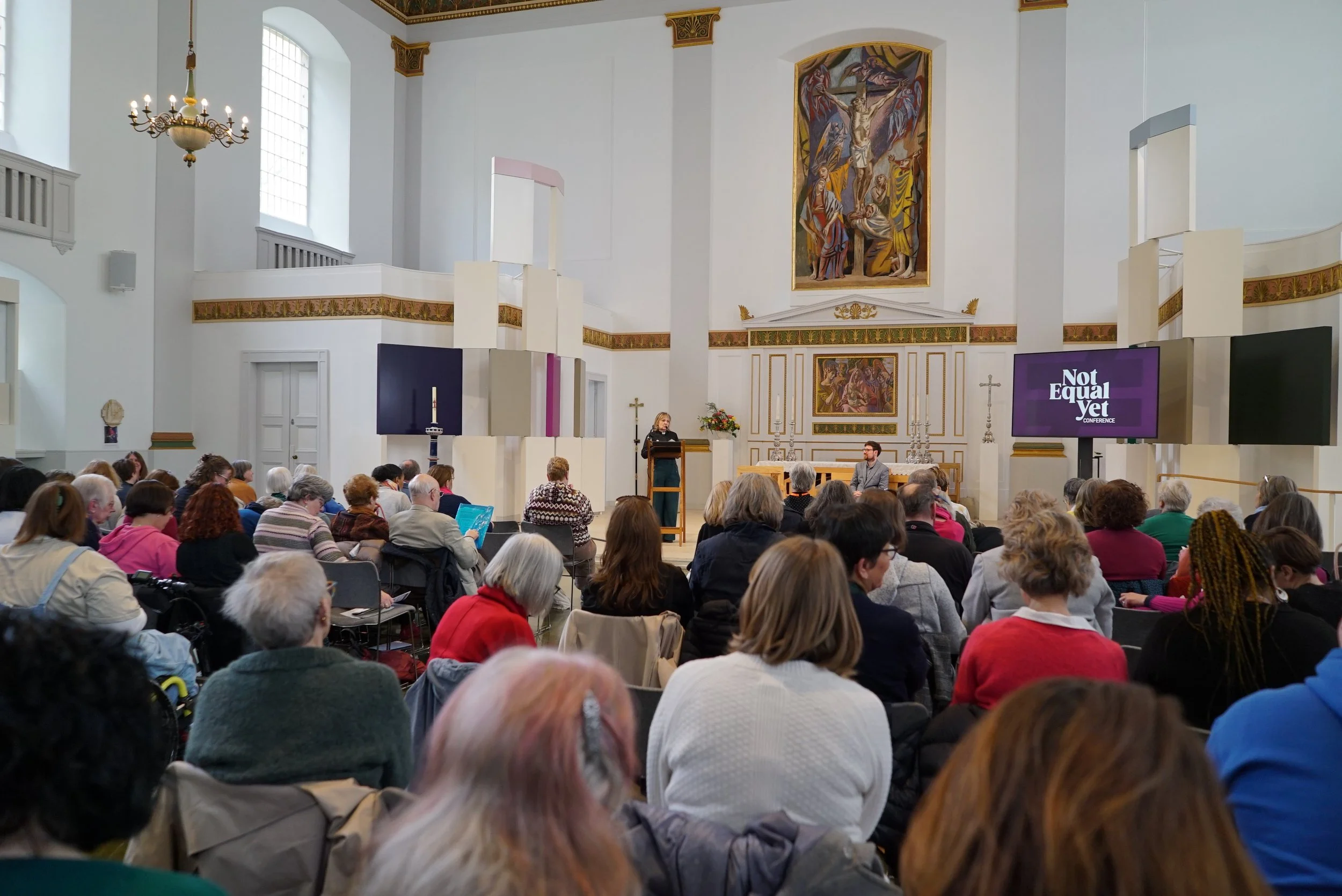
Women and the Church (WATCH) is a national organisation working actively to promote equality for women in the Church of England and lift the lid on sexism and discrimination.
At WATCH, we believe that God is calling the Church of England to be a church where all people are treated equally. Women are half the population and two thirds of our congregations and yet women are still being discriminated against because of their sex.

How can you support this vision?
O Holy Wisdom,
Breath of God,
Word of God,
Presence of God,
Love of God:
Come among us with your fierce glory,
Illuminate our darkness
And set us free to hope.
We make this prayer to you
Present in all things from the beginning of time
Present with us now
In hope and joy.
Amen