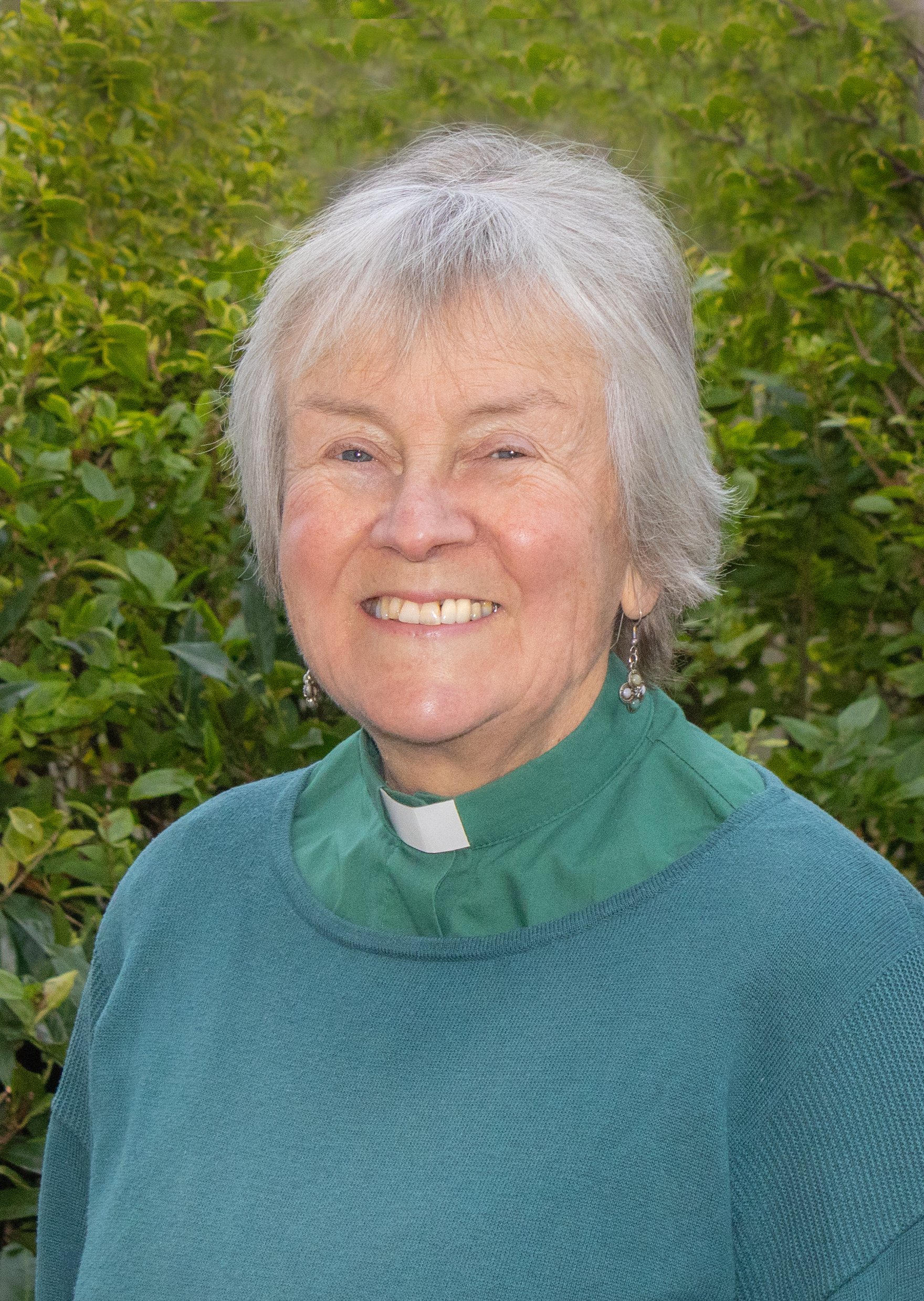
Reflection by Anna Brooker, a WATCH member
Just another Sunday morning
7:30am. A small church where the pattern of early Communion continues, as it has faithfully for centuries, at some cost to the vicar who conducts the service weekly unless a retired colleague is available to ‘cover’. Hence my presence, ‘covering’ to enable said vicar to take a much-needed weekend off, as others did for me in my twenty-plus years of stipendiary ministry. I offer this support freely and joyfully, now I have more time to prepare and relish the process.
7.50am. Having robed and checked all service details with the sacristan, I take my seat in the priest’s stall. This shared beginning in silent prayer follows the vicar’s custom and sets the tone as the congregation arrives.
8.00am. I stand and the congregation follows. ‘The Lord be with you.’ As the response begins, one man leaves his pew, genuflects pointedly in the central aisle and walks out.
8.02am. Drawing breath I continue, ‘Almighty God, unto whom all hearts be open…’ The man re-enters, walking up the aisle, retrieving his forgotten scarf, genuflecting, turning his back and walking out again.
8.03am. ‘… cleanse the thoughts of our hearts, by the inspiration of thy Holy Spirit…’ Diminished and distracted, the congregation continues its preparation for worship. I likewise seek God’s help to re-focus, to move beyond the pointed and public rejection of my priesthood, to lead God’s people in worship, as I am authorised to do.
8.50am. ‘He doesn’t like lady vicars’, explains the sacristan as I reach the door after the service. ‘I know why he left,’ I reply, ‘it’s not the first time.’ Being the first female incumbent in every one of the six parishes I’ve served has ensured this.
9.00am. Robes removed, service book signed, I leave to head for the next service, seeking again to re-focus on word and sacrament, to be the priest I am still called to be.
11.45am. The third service of this morning ends. It’s some years now since I experienced this triple-draining, but I have ‘covered’ freely and joyfully and hope the vicar is somewhat rested and refreshed.
I do not, however, bear the ongoing misogyny in our church with such good grace. Twenty-five years ago at theological college, I tried to ignore the rudeness of men young enough to be my sons, who moved tables to avoid me in the dining hall. As part of the IME2 team in a large diocese I remained calm when curates boycotted the eucharists at which I presided. I taught, mentored and encouraged female and male ordinands in my parishes and in another theological institution, to respect and honour each other’s ministry. I worked with women younger than my daughters, whose experiences through discernment were less affirming than my own, even after twenty -five years of female priests in the Church of England. Now it’s thirty plus years and we have a female Archbishop, but still it continues.
On this Sunday morning, I think I’ve had enough. I fear many other women priests will have been subjected to rudeness and rejection today. I fear that in our local churches up and down the land, women who lead inspiring and thoughtful worship will have been criticised and belittled, laughed at and patronised in ways their male colleagues rarely if ever face. Sometimes this will be public, sometimes hidden. A woman priest in the Church of England never knows whether her vocation and priesthood, discerned, nurtured and affirmed by her church, will be questioned, demeaned and rejected by its members or her so-called colleagues.
And I ask, ‘How long?’ How long must women pay the price for our church’s obsession with outward unity, masking inward division? Until the Church of England ends the double-speak with regard to women priests, her members will still be empowered to treat us ‘lady vicars’, from brand new curates to old hands like me, without respect or even common courtesy. Somehow it is still acceptable to behave in ways which Christ never condoned but rather called out as hypocrisy and prejudice.
12.00pm. Just another Sunday morning. How many more?